How to Checkmate with a Rook
Knowing how to checkmate with a rook is an essential chess skill. Many games reach an endgame where one side has a rook and king against a lone king. If you don’t know the correct technique, a winning position can easily turn into a draw.
In this guide, you’ll learn a simple, step-by-step method to checkmate with a rook that works every time.
Want to test the position? Open Chess Next Move
What You Need to Checkmate
To checkmate with a rook, you need:
- Your king
- Your rook
- The opponent’s lone king
Your king and rook must work together. The rook alone cannot deliver checkmate.
The Main Idea of the Rook Checkmate
The goal is to:
- Use the rook to cut off the enemy king
- Slowly bring your king closer
- Force the king to the edge of the board
- Deliver checkmate on the last rank or file
This technique is often called the ladder method.
Step 1: Cut Off the King
First, place your rook so it restricts the opponent’s king. Keep the rook at a safe distance so it cannot be attacked.
The rook creates an invisible wall that the enemy king cannot cross.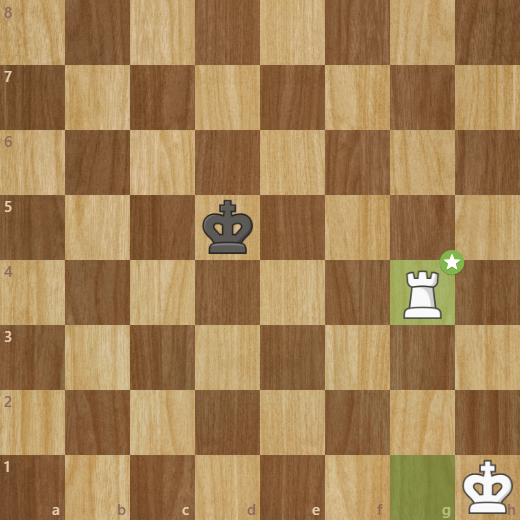
Step 2: Bring Your King Closer
While the rook holds the enemy king back, use your king to approach. Always keep your king protected by the rook.
Do not rush. The opponent’s king has no real counterplay.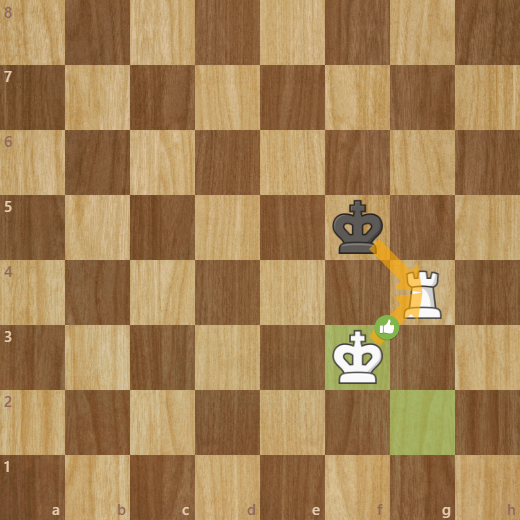
Step 3: Shrink the Box
Once your king is close enough, move the rook closer to the enemy king. This reduces the available squares.
Repeat the process:
- Rook cuts off the king
- King moves forward
- Rook moves closer
Each repetition brings the king nearer to the edge.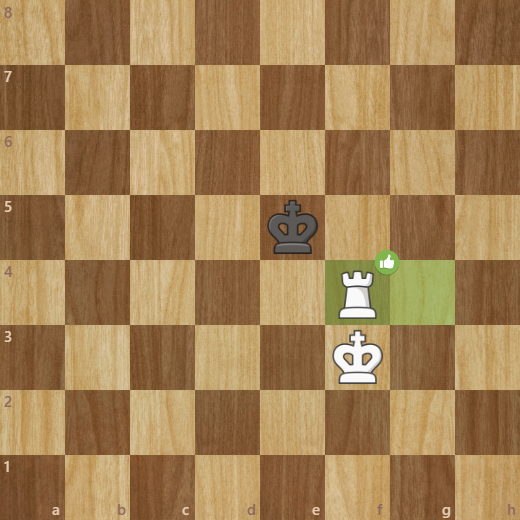
Step 4: Force the King to the Edge
Eventually, the enemy king will be trapped on the last rank or file. At this point, your king should be right next to it.
Be careful not to allow stalemate.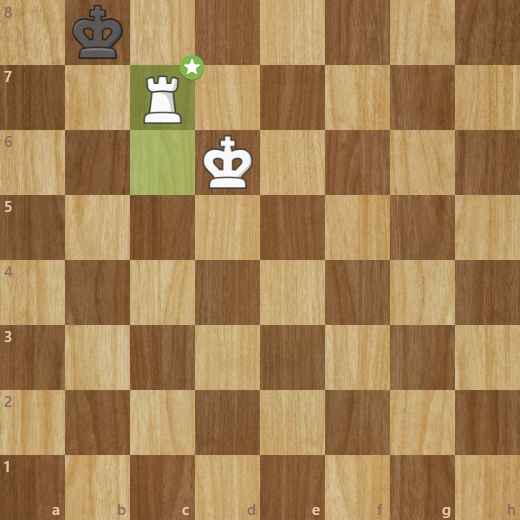
Step 5: Deliver Checkmate
When the enemy king has no escape squares and your king controls the nearby squares, the rook delivers the final checkmate.
The checkmate usually looks simple, but it is the result of precise coordination.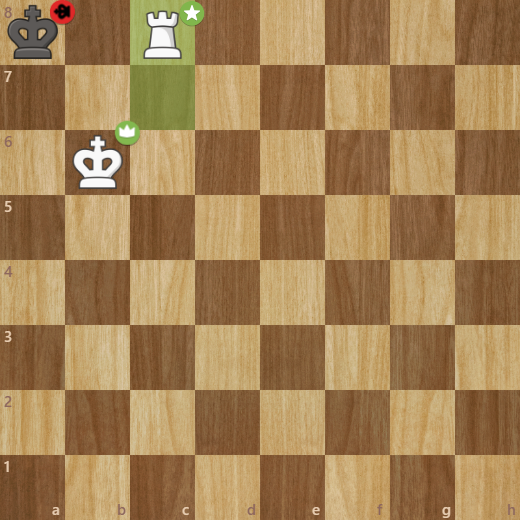
Common Mistakes to Avoid
- Moving the rook too close too early
- Allowing the rook to be attacked
- Forgetting to bring your king
- Creating a stalemate by accident
If something goes wrong, reset the position and start again. There is always enough time to finish this checkmate correctly.
Why Beginners Often Struggle with the Rook Checkmate
Many beginners understand the idea of the rook checkmate in theory but fail to execute it in practice. The most common reason is impatience. Players often try to force checkmate too quickly by giving repeated checks with the rook, allowing the enemy king to escape toward the center of the board.
Another frequent mistake is separating the king and rook. Without king support, the rook becomes vulnerable to attack, and the defending king can often harass it endlessly. Remember that checkmate requires coordination. The king is not just a supporting piece — it is the main driving force that pushes the enemy king toward the edge.
Finally, beginners sometimes fear stalemate so much that they stop progressing altogether. While stalemate is something to watch out for, it only occurs if the opponent has no legal moves and is not in check. As long as you keep the enemy king confined and your own king active, stalemate is easy to avoid.
Rook Checkmate vs Queen Checkmate
Many players find the queen checkmate easier than the rook checkmate, but learning the rook mate first is highly recommended. The queen combines the power of a rook and bishop, making it more forgiving. However, relying on the queen alone can hide weaknesses in king coordination.
The rook checkmate forces you to understand key endgame principles such as opposition, cut-off lines, and piece coordination. Once you master the rook checkmate, the queen checkmate becomes almost trivial. In fact, many strong players suggest practicing rook endgames first because they build habits that transfer to all endgames.
By mastering both techniques, you ensure that no simple winning position slips away due to lack of technique.
Frequently Asked Questions About the Rook Checkmate
How many moves does a rook checkmate take?
With correct play, the rook checkmate can always be completed within the 50-move rule. In practice, it
usually takes far fewer moves once you understand the method.
Can the defending king ever escape?
If the rook is placed correctly and the king continues to advance, the defending king cannot escape
back to the center.
Is this checkmate necessary to know?
Absolutely. This is one of the most fundamental endgames in chess and appears frequently at beginner
and intermediate levels.
Practice Makes Perfect
The rook checkmate is one of the most important endgames to master. Once you know it, you’ll never miss an easy win again.
Practice by setting up the position and playing both sides. After a few repetitions, the technique becomes automatic.