How to Stop Hanging Pieces in Chess
Hanging pieces are the single most common reason players lose chess games at every level. You can play a strong opening, reach a good middlegame, and still lose instantly by leaving a piece undefended. The good news is that most hanging pieces are not caused by lack of talent, but by skipping one simple safety check before making a move.
This guide will show you exactly why pieces get hung, how to spot danger before it happens, and how to build a simple habit that dramatically reduces blunders.
What Does It Mean to Hang a Piece?
A piece is considered “hanging” when it can be captured without adequate compensation. This usually happens when the number of attackers is greater than the number of defenders, or when a defending piece moves away without being noticed.
Hanging pieces are most common with knights, bishops, and queens, but rooks and even kings
can become vulnerable if lines open unexpectedly.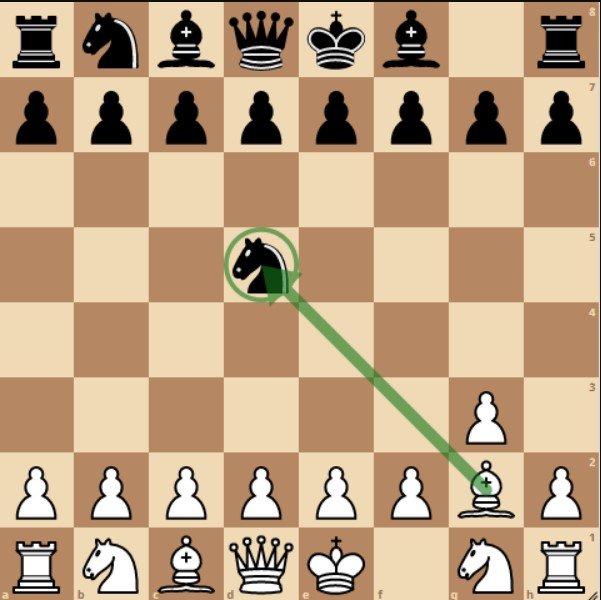
Why Hanging Pieces Happens So Often
- Focusing only on your own plan
- Playing too fast without a final check
- Forgetting how a previous move changed the position
- Underestimating your opponent’s tactical threats
Most blunders are simple oversights, not deep combinations.
The 5-Second Anti-Blunder Checklist
Before playing any move, stop for five seconds and ask yourself:
- Checks: Does my opponent have a check after this move?
- Captures: Can any of my pieces be taken?
- Threats: Did I allow a fork, pin, skewer, or discovered attack?
This checklist alone prevents a huge percentage of hanging-piece blunders.
Common Situations Where Pieces Get Hung
- After moving a defender away
- After opening a file or diagonal
- During an attack on the enemy king
- When switching from offense to defense
Any sudden change in the position requires a new safety scan.
How to Count Attackers and Defenders
Before committing to a move, count how many pieces attack a square and how many defend it. If attackers outnumber defenders, the piece is likely hanging. If the numbers are equal, tactics may still exist.
This habit becomes faster with practice and greatly improves consistency.
Why Quiet Moves Cause Blunders
Many players blunder after quiet moves such as pawn pushes or retreats. These moves often open lines and change piece relationships. Always re-check piece safety after quiet moves.
How Time Pressure Increases Hanging Pieces
As the clock runs down, players rely more on intuition and less on calculation. While intuition is useful, it becomes dangerous when tactical threats exist.
Simplifying positions and using the same checklist every move reduces time-pressure errors.
Using an Engine to Train Piece Safety
A chess engine should be used after you guess a move. First decide what you would play, then check whether any piece becomes vulnerable. Over time, this trains your intuition.
A Simple Training Routine
- Review one lost game
- Find the first hanging-piece blunder
- Identify which checklist step you skipped
- Repeat for several games
This process leads to rapid improvement with minimal study time.
Final Thoughts
Stopping hanging pieces is one of the fastest ways to improve your chess results. By slowing down slightly and applying a simple checklist, you can eliminate many painful losses and play with much more confidence.