Wayward Queen Attack: How to Punish an Early Queen Attack
The Wayward Queen Attack is one of the most common beginner traps in chess. White brings the queen out very early, hoping for quick tricks on f7. If Black stays calm and develops naturally, White often ends up losing time, material, or even the bishop for free.
You can analyze this position yourself using our tool: Open Chess Next Move
The Basic Idea of the Wayward Queen Attack
White’s plan is simple:
- Attack f7 as early as possible
- Force Black to make defensive moves
- Hope for a quick checkmate or material win
The problem? Black is not forced to panic. With correct development, the attack collapses.
The Moves: Step-by-Step
1. e4 e5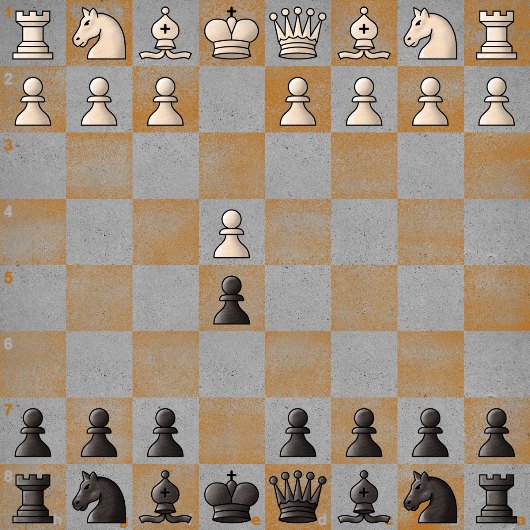
A normal and healthy start for both sides.
2. Qh5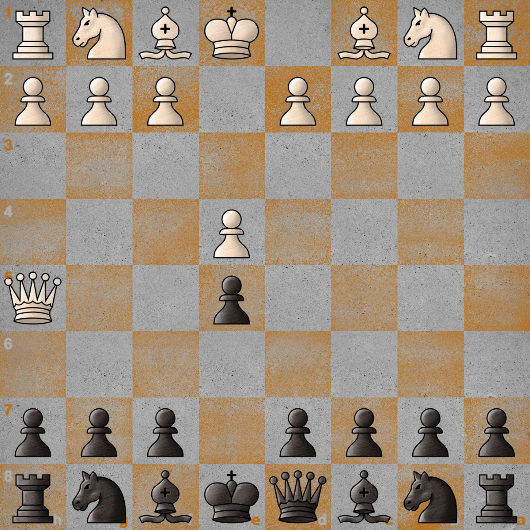
This is the Wayward Queen Attack. White immediately targets f7.
2... Nc6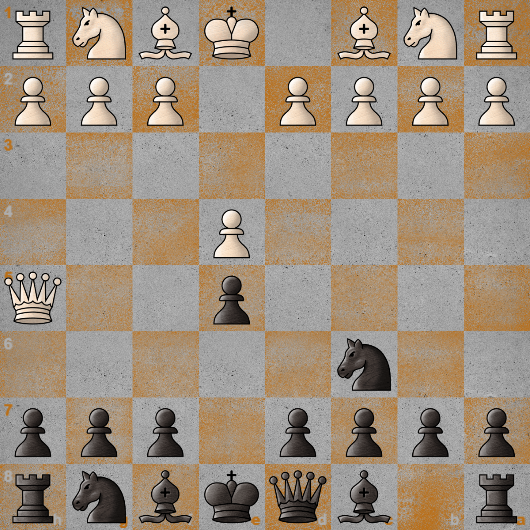
Black develops a piece and protects the e5 pawn. No panic.
3. Bc4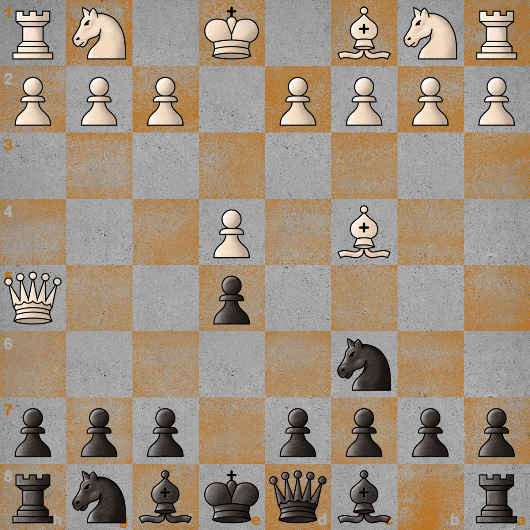
White doubles down on the f7 square.
3... g6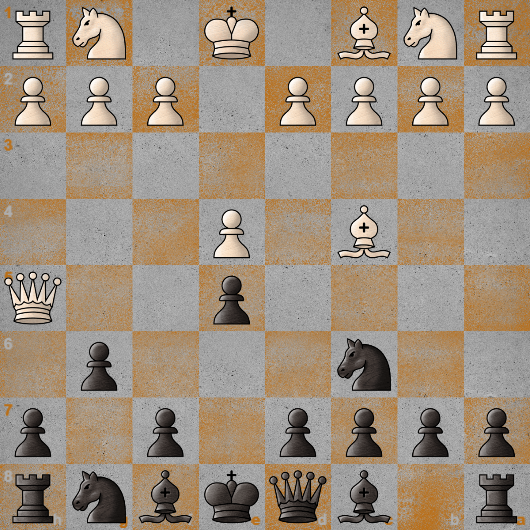
Black calmly kicks the queen and prepares development.
4. Qf3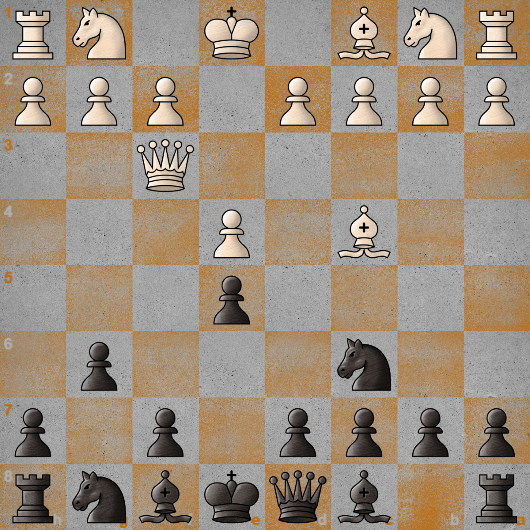
White refuses to give up the attack.
4... Nf6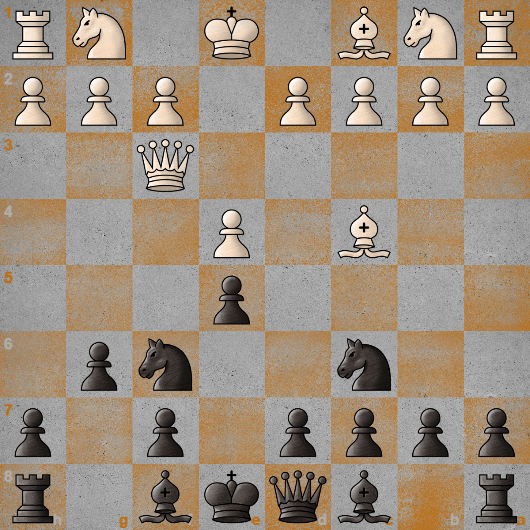
Another developing move. Black is almost fully defended.
5. Qb3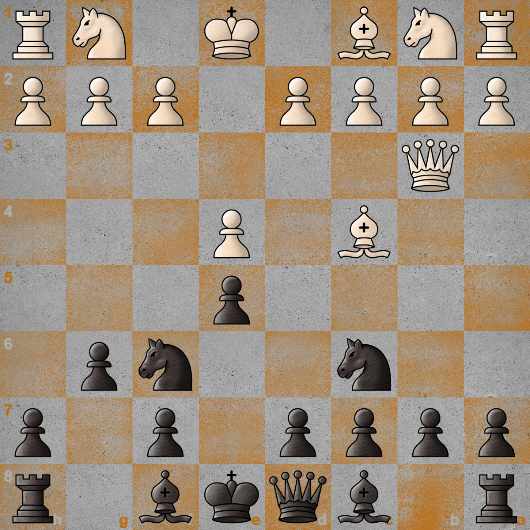
White keeps attacking f7 and lines up queen and bishop.
5... Nd4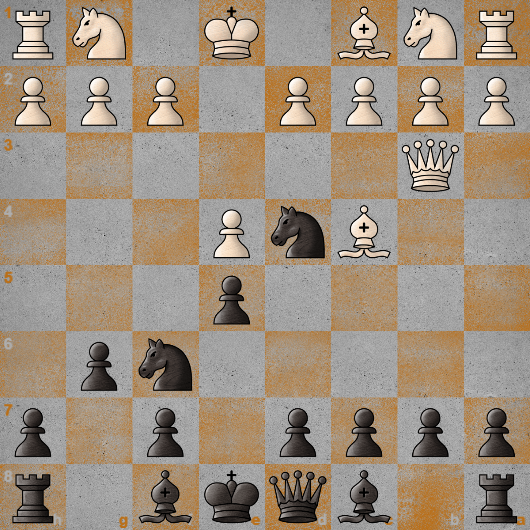
This is the key move. The knight attacks the queen and gains tempo.
Why the Attack Fails
Now White is already in trouble:
- The queen has moved multiple times
- Black is fully developed
- White pieces are exposed
Many players now try:
6. Bxf7+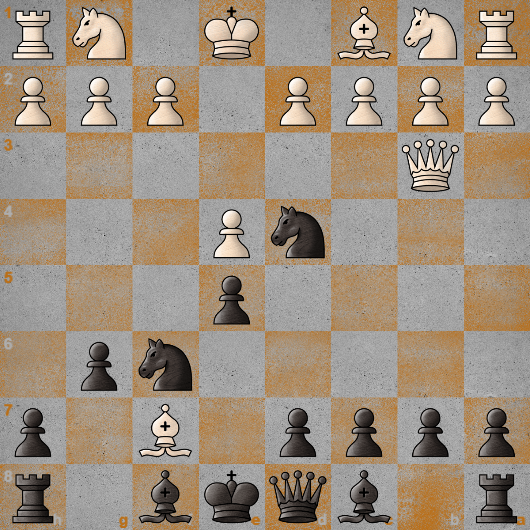
This looks scary, but it is a mistake.
6... Ke7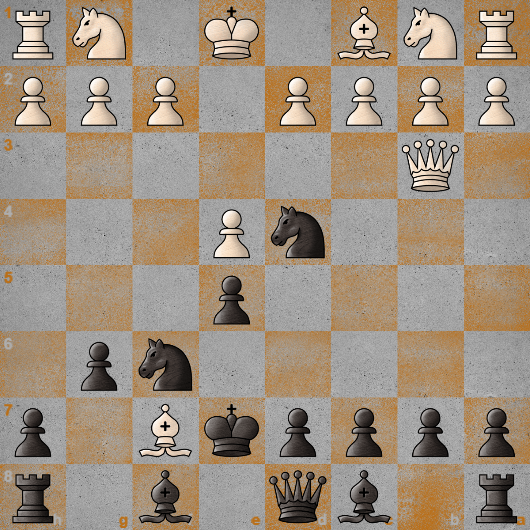
Black calmly steps forward.
7. Qa3+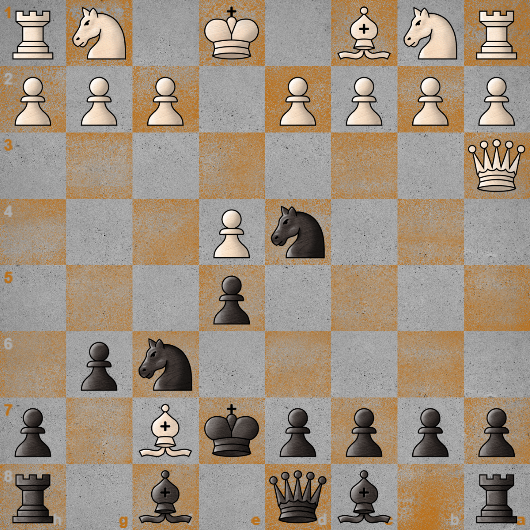
One last check.
7... Kxf7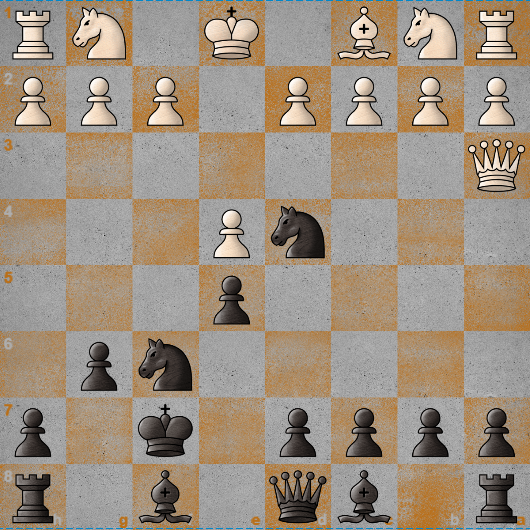
And Black simply takes the bishop. The attack is over.
What If White Tries to Save the Bishop?
Even if White tries to be clever and reposition the queen:
Queen retreats like Qe4 or Qd3
Black still plays b5 or simply takes the bishop on f7. All escape squares are covered, and White loses material with no compensation.
Key Lessons to Remember
- Early queen attacks usually lose time
- Develop pieces instead of chasing tricks
- If your opponent moves the queen many times, you are winning the opening
- Don’t fear checks if they don’t lead to mate
Train This Position Yourself
The best way to learn is to analyze it yourself. Try this position in the calculator and see how Black’s advantage grows after development.
Common Mistakes Black Should Avoid
While the Wayward Queen Attack is objectively harmless, Black can still go wrong if they respond inaccurately. One common mistake is playing passive defensive moves such as g6 too early without development, allowing White to continue attacking without being punished.
Another error is chasing the queen with too many pawn moves. This can weaken dark squares around the king and delay piece development. The correct approach is simple: develop minor pieces, control the center, and let the queen become a target naturally.
Remember, the goal is not just to survive the attack, but to emerge with a better position and a lead in development.
Why This Opening Teaches an Important Principle
The Wayward Queen Attack is an excellent teaching example because it highlights one of the most important opening principles in chess: development beats early aggression.
Players who rely on tricks instead of sound development often struggle as they climb rating levels. Learning how to calmly refute early queen attacks builds confidence and reinforces good habits that apply to many other openings.
How Strong Players Respond to Early Queen Attacks
At higher levels, early queen attacks are extremely rare. Strong players immediately recognize the lack of real threats and respond with natural moves that improve their position. Instead of reacting emotionally, they focus on central control, king safety, and piece coordination.
Studying these simple responses will help you transition from beginner openings to solid, reliable opening play.
Summary and Practical Advice
The Wayward Queen Attack may look dangerous, but it is fundamentally unsound. By staying calm, developing your pieces, and using tempo-gaining moves, you can quickly turn the tables and gain a comfortable advantage.
If you see an early queen attack in your games, take it as a good sign. Your opponent is giving you free tempi all you need to do is use them wisely.